Vitality Peptides
Vitality Peptides typically refers to a category of peptide supplements marketed for enhancing energy, recovery, anti-aging, and overall vitality. These are short chains of amino acids (peptides) designed to mimic or stimulate natural bodily processes. They’re popular in biohacking, fitness, and wellness communities, often sold online or through clinics.
Common Vitality Peptides and Their Claimed Benefits
Here’s a breakdown of popular ones associated with “vitality”:
|
Peptide |
Key Claimed Benefits |
Typical Use Case |
Notes |
|---|---|---|---|
|
BPC-157 |
Tissue repair, gut health, reduced inflammation |
Injury recovery, joint pain |
Research mostly animal-based; oral or injectable forms. |
|
TB-500 (Thymosin Beta-4) |
Wound healing, muscle recovery, anti-inflammatory |
Post-workout recovery, hair growth |
Often stacked with BPC-157. |
|
CJC-1295 / Ipamorelin |
Growth hormone release, fat loss, muscle gain |
Anti-aging, better sleep |
Stimulates natural GH without pituitary shutdown. |
|
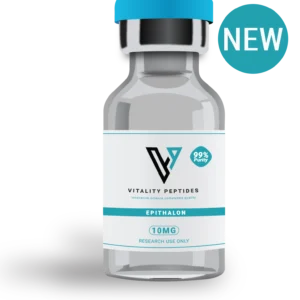
Epitalon (Epithalon) |
Telomere lengthening, longevity |
Anti-aging, pineal gland support |
Derived from pineal gland research by Russian scientists. |
|
GHK-Cu |
Skin rejuvenation, collagen boost, antioxidant |
Beauty, wound healing |
Copper-bound; topical or injectable. |
|
Semax / Selank |
Cognitive enhancement, stress reduction, mood |
Brain fog, anxiety |
Nootropic peptides; nasal spray common. |
How They Work
- Mechanism: Peptides act as signaling molecules, binding to cell receptors to trigger responses like hormone release (e.g., GH for CJC), repair (BPC-157), or neuroprotection (Semax).
- Administration: Injections (subQ/IM), nasal sprays, orals, or topicals. Purity and sourcing matter—look for third-party tested vendors.
- Science Backing: Mixed. Some (like BPC-157) have promising preclinical studies (e.g., PubMed on tendon repair). Others (Epitalon) stem from limited human trials. FDA doesn’t approve most for human use; they’re often “research chemicals.”
Best Selling Products
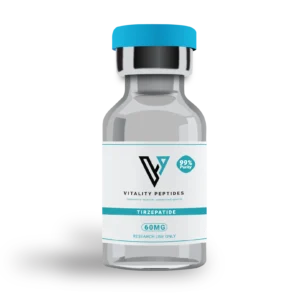
Metabolic and Appetite Pathway Research
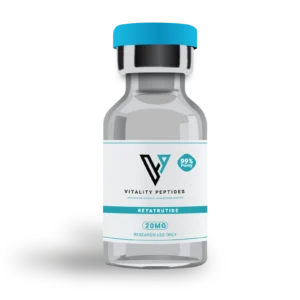
Metabolic and Appetite Pathway Research
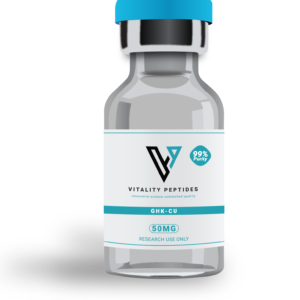
Skin and Collagen Research
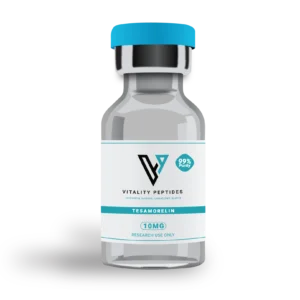
Endocrine Pathway Research Peptides (GHRPs, GHRHs, GnRHs)
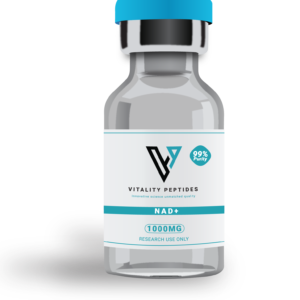
Neurological and Cognitive Research
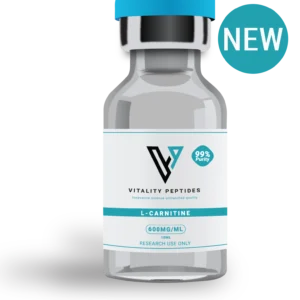
Metabolic and Appetite Pathway Research
Skin and Collagen Research
Tirzepatide Compound
How It Works
- Mechanism:
- GLP-1 Action: Slows gastric emptying, reduces appetite, boosts insulin release.
- GIP Action: Enhances insulin sensitivity, promotes fat burning.
- Results (from SURMOUNT trials):
| Dose (weekly) | Avg. Weight Loss (72 weeks) | A1C Reduction |
|---|---|---|
| 5mg | ~15% body weight | -2.0% |
| 10mg | ~20% | -2.3% |
| 15mg | ~22.5% (up to 25% in some) | -2.6% |
Branded vs. Compounded Tirzepatide
| Aspect | Branded (Mounjaro/Zepbound) | Compounded |
|---|---|---|
| Purity/Testing | FDA-regulated, sterile | Varies; requires COA |
| Availability | Prescription, shortages | Online clinics (e.g., Henry Meds, OrderlyMeds) |
| Risks | Low (if authentic) | Contamination, dosing errors, potency issues |
| Legality | Approved | Allowed during shortages (FDA 503A/503B rules) |
- Sourcing Compounded: Reputable UK pharmacies like Empower, Tailor Made, or Red Rock (check NABP verification). Avoid unverified overseas sites. Needs telehealth Rx (e.g., via PlushCare, Ro).
Dosing and Administration
- Standard Protocol (titrate to minimize nausea):
| Week | Dose (subQ weekly) |
|---|---|
| 1–4 | 2.5mg |
| 5–8 | 5mg |
| 9–12 | 7.5mg |
| 13+ | 10–15mg (max) |
- Storage: Refrigerate; stable 21–30 days room temp.
- Cycle: Ongoing for maintenance; taper off slowly.
Benefits and Evidence
- Weight Loss: Superior to semaglutide (Ozempic/Wegovy) in head-to-head trials (SURMOUNT-5: 20.2% vs. 13.7% loss).
- Other: Improves liver fat, cholesterol, sleep apnea. Potential off-label for PCOS, NAFLD.
- Studies: NEJM (2022) showed 15–22% loss; PubMed has 100+ papers.
Side Effects and Risks
| Common (50%+ users) | Serious (rare) | Mitigation |
|---|---|---|
| Nausea, diarrhea, vomiting | Pancreatitis, gallbladder issues, thyroid tumors (rodent data) | Start low, hydrate, eat fiber |
| Constipation, fatigue | Hypoglycemia (with insulin) | Monitor blood sugar |
| Injection site reactions | Allergic reactions | Avoid if MTC/family history |
- Contraindications: Personal/family history of medullary thyroid carcinoma, MEN2.
Tips for Use
- Lifestyle Pairing: 500cal deficit diet + exercise amplifies results (e.g., 30% loss possible).
- Alternatives: Semaglutide (cheaper compounded), Retatrutide (triple agonist in trials).
- Monitoring: Track weight, A1C, GI symptoms. Bloodwork every 3 months.
- Cost-Saving: GoodRx coupons for branded; subscription services for compounded.
Retatrutide
Retatrutide (LY3437943) is Eli Lilly’s triple agonist peptide (GLP-1/GIP/Glucagon receptors) in Phase 3 trials (TRIUMPH program) for obesity, diabetes, sleep apnea, and osteoarthritis.
Mechanism
- Suppresses appetite (GLP-1).
- Boosts insulin/fat metabolism (GIP).
- Burns liver fat/increases energy (Glucagon).
Phase 2 Results (NEJM 2023, 48 weeks)
|
Dose (weekly subQ) |
Weight Loss |
A1C Reduction |
Liver Fat ↓ |
|---|---|---|---|
|
1mg |
-8% |
-1.2% |
-60% |
|
4mg |
-12% |
-1.6% |
-80% |
|
8mg |
-17% |
-1.8% |
-90% |
|
12mg |
-24% |
-2.0% |
-90%+ |
Side Effects
|
Common |
Serious (Rare) |
|---|---|
|
Nausea, diarrhea |
Pancreatitis, gallbladder |
|
Vomiting, fatigue |
HR increase, thyroid risk |